How Corporate Headshots Improve Client Trust

First impressions used to happen in reception areas and meeting rooms. Now they happen on websites, LinkedIn profiles, proposal PDFs and email signatures. Before a potential client in Nottingham ever picks up the phone, they’ve probably already “met” you online.
And what they see matters.
Corporate headshots aren’t just profile pictures. They’re trust signals. Done well, they reassure, humanise and position your business as credible before a single word is spoken.
Here’s how.
1. They Put a Face to the Business
People trust people — not logos.
When a website only shows services, stock imagery or abstract branding, it can feel distant. But when visitors see the actual team behind the company, something shifts. The business becomes real.
A professional headshot:
- Shows there are real humans behind the service
- Reduces perceived risk
- Makes first contact feel more familiar
For service-based businesses especially — consultants, accountants, solicitors, marketing agencies — trust is often built before the first meeting. A strong headshot shortens that distance.

2. They Signal Professionalism
Whether we like it or not, clients make quick judgements.
If your team photos are:
- Cropped from a wedding
- Taken against a magnolia office wall
- Poorly lit or inconsistent
- A mix of selfies and phone snaps
It subconsciously suggests a lack of attention to detail.
Professional corporate headshots communicate:
- You take your business seriously
- You invest in quality
- You care about presentation
- You value consistency
Those signals transfer directly to how clients perceive your service delivery.
3. Consistency Builds Confidence
Trust isn’t just about friendliness — it’s about reliability.
When every team member has:
- The same lighting style
- Coordinated backgrounds
- Consistent framing
- A cohesive look
It creates visual stability.
Inconsistent imagery can make even a strong company feel disjointed. Cohesive headshots, on the other hand, suggest organisation and structure — two traits clients look for when choosing who to work with.



4. They Reinforce Brand Positioning
Corporate headshots shouldn’t be generic.
The style should reflect your brand personality:
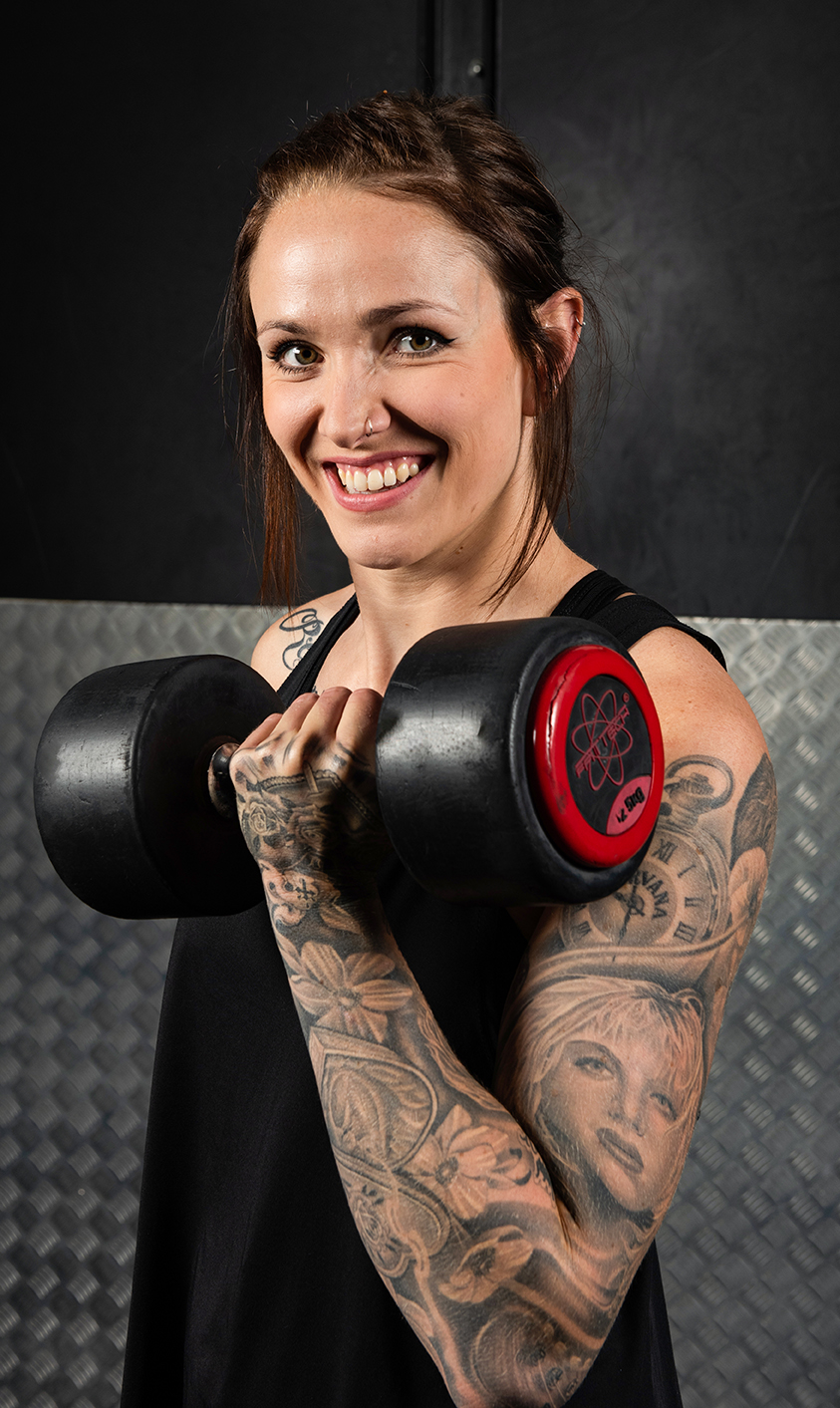
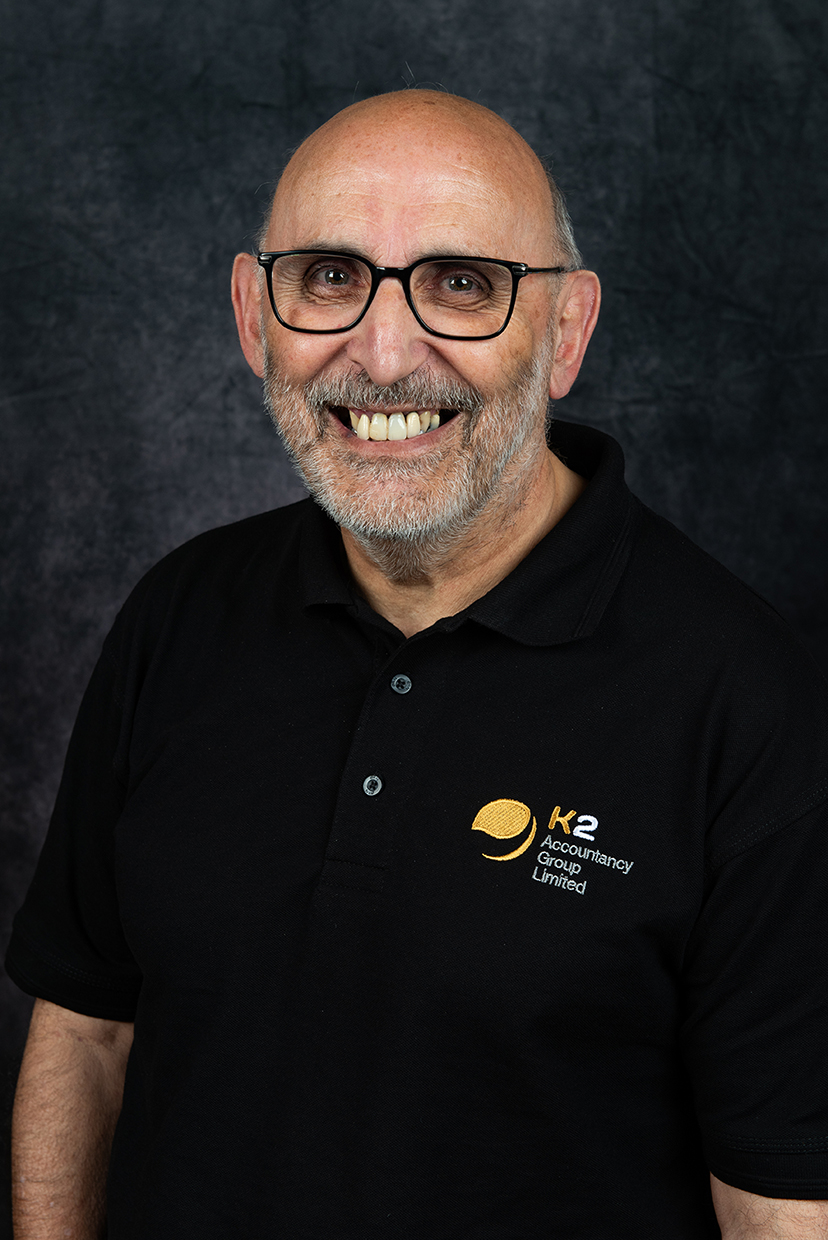
- Dark and dramatic for premium consultants
- Bright and approachable for customer-facing teams
- Modern and minimal for tech firms
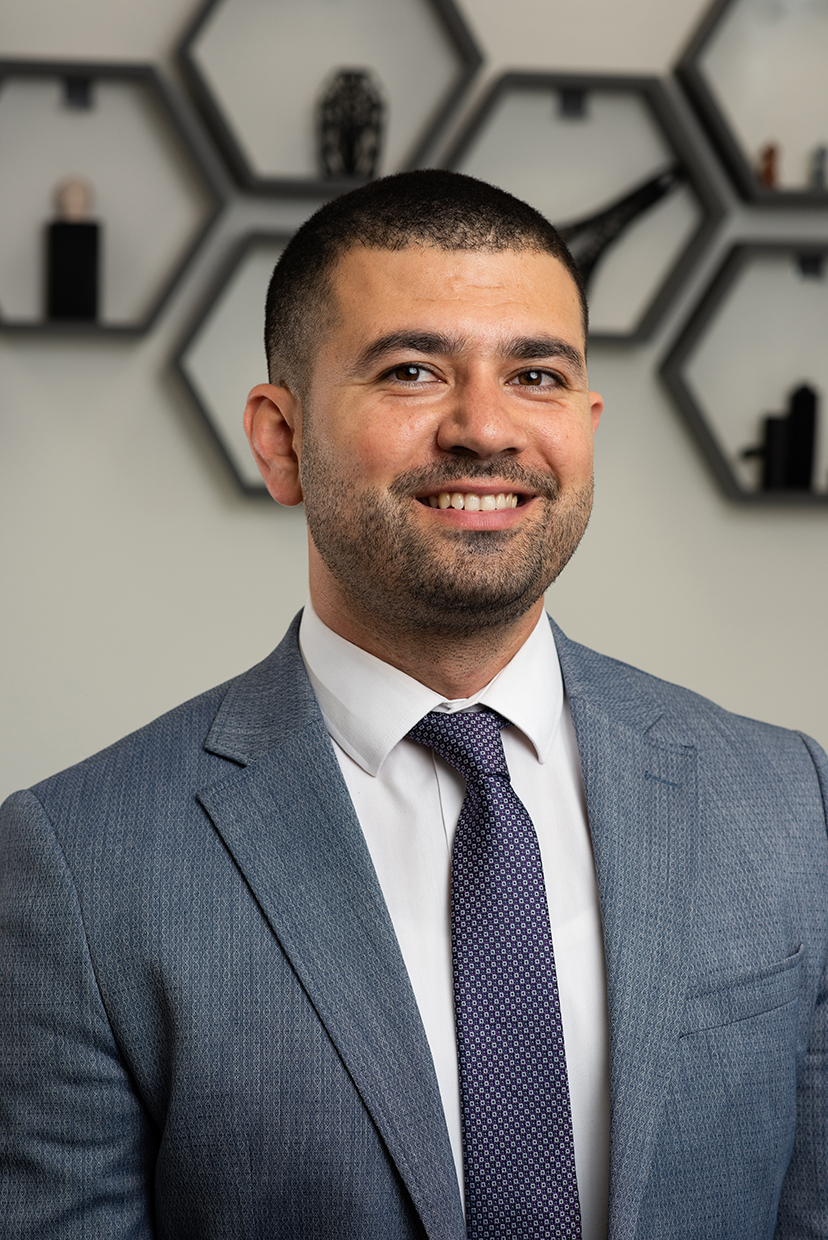
- Clean and traditional for legal or financial sectors
When the photography aligns with brand identity, it strengthens credibility. It tells clients: we know who we are and who we serve.
That clarity builds trust.
5. They Increase Engagement on Professional Platforms
On platforms like LinkedIn, profiles with professional headshots consistently receive:
- More connection requests
- Higher profile views
- Greater engagement
Why? Because people are more likely to engage with someone who appears established and approachable.
If your team is active in networking, sales or recruitment, headshots aren’t cosmetic — they’re functional business tools.
6. They Reduce “Perceived Risk”
Hiring a company involves uncertainty.
Clients may be asking themselves:
- Are these people experienced?
- Will they understand my business?
- Are they established?
Professional headshots help answer those questions visually.
Well-lit, confident portraits project:
- Competence
- Stability
- Experience
- Approachability
This doesn’t mean stiff or overly corporate. It means controlled, intentional imagery that supports your message.
When clients feel less uncertainty, they’re more likely to enquire.
7. They Humanise Larger Organisations
For larger firms, headshots prevent the brand from feeling faceless.
Clients don’t build relationships with departments — they build them with individuals.
Featuring leadership and key team members:
- Makes introductions easier
- Personalises proposals
- Strengthens rapport before meetings
- Improves recall after networking events
Seeing the same professional image on your website, LinkedIn and email signature reinforces familiarity. Familiarity increases trust.


8. They Support Sales Conversations
In many industries, prospects research extensively before reaching out.
If your headshots appear:
- On your About page
- In case studies
- Alongside testimonials
- Within pitch documents
They create continuity throughout the buyer journey.
By the time someone speaks to you, they already feel like they know you. That subtle psychological advantage makes conversations warmer and more productive.
9. They Demonstrate Internal Culture
Clients don’t just evaluate services — they evaluate people.
Authentic corporate headshots can subtly communicate:
- A friendly team dynamic
- A confident leadership presence
- Diversity and inclusivity
- Professional but approachable culture
These cues influence whether someone feels aligned with your organisation.
Trust isn’t just about competence. It’s about compatibility.
10. They Future-Proof Your Brand Image
As your business grows, imagery needs to scale with it.
Having a structured approach to corporate headshots:
- Makes onboarding new staff easier
- Keeps marketing materials consistent
- Supports press coverage and PR
- Ensures your brand remains visually aligned
This long-term consistency reinforces trust over time.
The Bigger Picture
Corporate headshots are often treated as a tick-box exercise. But in reality, they’re one of the most visible assets your business owns.
They appear everywhere:
- Websites
- Social platforms
- Email signatures
- Press features
- Proposals
- Internal communications
Every appearance is an opportunity to strengthen — or weaken — client perception.
In competitive markets, small trust signals compound. A polished, consistent, professional headshot strategy helps position your business as established, credible and dependable before you’ve said a word.
And in service industries, trust is often the deciding factor.
If your team imagery no longer reflects the level your business operates at — or if it’s inconsistent across platforms — it may be time to review it.
Because in a digital-first world, your headshot isn’t just a photograph.
It’s your handshake.